For two years, I brought food to my elderly neighbor.
But when I finally entered her apartment after her de:ath, what I found on the bed made me weep.
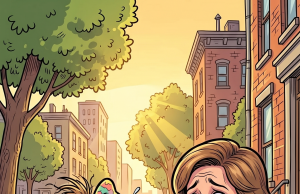
Doña Helena, from apartment 302, was 82 years old.
She lived alone in a small apartment in downtown Curitiba.
She never received visitors, and laughter was never heard from there; only the soft sound of shuffling footsteps and the discreet creak of the door opening in the late afternoon.
Most of the neighbors barely noticed her presence.
But I did.
One day, returning from the market, I saw Doña Helena struggling to carry a heavy bag up the stairs.
I offered to help her and, without thinking twice, brought her a bowl of soup I had made at home.
She held the bowl with trembling hands and smiled:
“You’re very kind, dear. It’s been a long time since anyone cooked for me.”
From that day on, it became routine.
Every afternoon, I knocked on her door with something—a freshly baked loaf of bread, some beans, or sometimes just a cup of tea.
She always thanked me, always smiled… but she never let me in.
Two years passed like this.
Until, one cold June morning, I saw an ambulance parked in front of the building.
The doorman looked at me sadly and whispered:
“Doña Helena is gone. She fell asleep and didn’t wake up.”
I felt a knot in my chest.
That woman I saw every day, who felt like part of my routine, was gone—and I didn’t even know her full name.
Days later, the building manager called me:
“You were the only one who visited her. Would you like to help organize her things?”
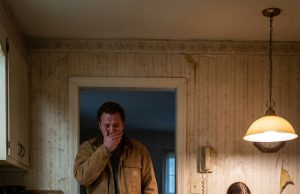
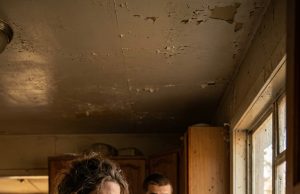
I went into her apartment for the first time.
And I froze.
The place was dark, heavy… covered in dust. The curtains were drawn, the wallpaper peeled, and the furniture looked untouched for decades.
But what struck me most was the bedroom.
On the bed was an old bedspread, and on top of it, a small stack of envelopes tied with red ribbon. My name was written on the first one: “To my dear neighbor.”
I opened it with trembling hands.
Inside was a letter written in shaky handwriting:
“Thank you for reminding me that I still existed. No meal you brought was just a bowl of soup—it was companionship, it was love, it was the reason I made it through another day.”
In the second envelope was something that changed my life forever: a small wooden box filled with old photos of Doña Helena smiling, with friends, family, and even people I recognized as my own neighbors—people she had loved, but who had forgotten her. There was also a note:
“Preserving memories is preserving love. Now that you know my story, don’t let anyone grow old alone.”
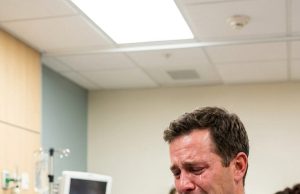
Tears streamed down my face uncontrollably.
The simple act of bringing her soup every day had meant more than I could ever have imagined.
Doña Helena taught me that sometimes the smallest act of kindness can save not only someone’s life, but also their soul.
From that day on, I began to see my neighbors differently. Every act of care, every shared smile, became invaluable.
And every time I bring something to someone, I remember Doña Helena and how companionship can be so much more important than any plate of food.