PART 1 – FIVE DOLLARS
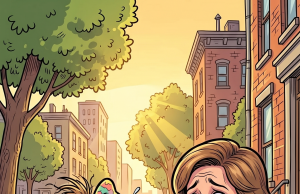
My name is Ammani Johnson, and at thirty-two, I truly believed I had grown used to being diminished by my own family, until the morning I realized humiliation doesn’t disappear with age, it simply waits for a more polished stage. That stage was a luxury law office in Atlanta, where my parents sat in flawless designer clothes, radiating satisfaction, my sister Ania glowed beside her husband Marcus, and I sat silently while the lawyer began reading my parents’ living will.
The room filled with pride as my mother announced that Ania would receive eighteen million dollars placed into a trust managed by Marcus, the man my parents praised as disciplined, brilliant, and worthy of carrying the family legacy forward. Then my mother opened her Chanel wallet, slid a crisp five-dollar bill across the table toward me, and said calmly that some children needed to learn how to earn their own way, that not everyone measured up.
My father nodded in approval, my sister laughed and filmed the moment, and I didn’t cry or argue or touch the money, because I knew the meeting wasn’t finished yet, even if they thought it was.
PART 2 – THE WILL NO ONE EXPECTED
Just as the celebration settled in, the lawyer cleared his throat and mentioned my grandfather Theodore Johnson’s final will, a name that brought nothing but impatience to my family, because they believed Grandpa Theo had been sentimental, outdated, and irrelevant to real wealth. But when his letter was opened, the mood changed. He left Ania the watch collection she loved, only to reveal they were replicas meant to remind her that time cannot be bought.
He left my parents nothing but sharp words, accusing them of abandoning their roots and confusing status with legacy. And then he left me what he called his “old problem”: a decaying brownstone in Harlem and everything inside it. My family laughed, mocking the idea that my inheritance was a building full of junk, until Marcus casually announced that he had already sold it, calling it a liability and proudly stating he had secured seventy-five thousand dollars for it.
My parents applauded his “smart decision,” while something inside me went cold, because I knew that building, I knew what my grandfather had protected there, and I knew this wasn’t just a mistake.
PART 3 – THE PHONE CALL
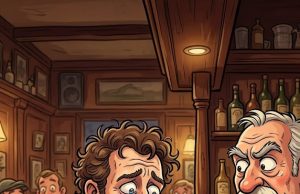
I left the office without a scene and made one call to Dr. Lena Fry at the Smithsonian, and within minutes my reality shifted, because when I told her the Harlem property had been sold, her voice dropped and she explained that what my family dismissed as junk were original master recordings of John Coltrane and Thelonious Monk, lost sessions from the 1950s that historians had searched for decades, cultural artifacts valued at approximately twenty-five million dollars.
When I returned and calmly told my family the truth, the laughter vanished, the room filled with panic, and the lawyer began tracing the sale.
PART 4 – THE THIEF IN THE FAMILY
What emerged was worse than incompetence, because the so-called developer turned out to be a shell company, Heritage Holdings LLC, owned by one man alone: Marcus Blackwell. He had used my parents’ authority as executors to sell my inheritance to himself for pennies.
It wasn’t a bad decision, it was a plan. Once the Smithsonian and the federal government became involved, Marcus was arrested for wire fraud, conspiracy, and money laundering, my parents were charged with criminal breach of fiduciary duty, their assets frozen and reputation destroyed, and my sister Ania, the golden child, cooperated to avoid prison but lost everything else, including the eighteen million that vanished along with her public image.

PART 5 – WHAT WAS RETURNED
The fraudulent sale was voided, and the Harlem brownstone was returned to me. I didn’t sell it, because Grandpa Theo hadn’t left it to make me rich, he left it because he trusted me to protect it.
Over the next two years, I restored the building and founded the Theodore Johnson Heritage Museum, a living space where the music my grandfather preserved could finally be heard again, not traded or hidden.
PART 6 – FULL CIRCLE
Two years later, on opening day, Ania arrived quietly, stripped of arrogance, holding a crumpled five-dollar bill from her first honest paycheck and offering it as a donation. I accepted it and showed her the framed five-dollar bill already displayed on the wall, the one my mother had once used to humiliate me, and I told her that one bill represented greed while the other represented beginnings.
For the first time, I felt no anger and no triumph, only peace, because I had learned what my family never did: worth is not measured by what you are given, but by what you choose to protect, and sometimes the quietest person in the room is the one holding the most powerful legacy of all.