The rain started before sunrise, hammering against the glass as if it wanted to force its way inside and expose what had long been hidden.
In the mansion on Presidente Masaryk Avenue in Polanco, the silence gleamed like polished marble—refined, costly, and dangerous. It was the kind of silence that buried arguments under Persian rugs and tucked secrets behind imported drapes.
At exactly six in the morning, Leticia slipped in through the service entrance, shaking rain from her worn coat. No one noticed her arrival. They rarely did. But that day, she would be the only one willing to truly see what everyone else chose to overlook.
Leticia was forty-three, with hands shaped by years of labor and a fatigue that went deeper than muscle. She had been working since she was fifteen—first in modest homes scented with beans and damp laundry, later in lavish houses that smelled of luxury perfume and antiseptic. Everywhere, her role was identical: clean, organize, vanish.
She had served in this mansion for four years. She knew which stair creaked before the landing, which faucet dripped before dawn, and how morning sunlight traced golden lines across the floor, as if even the sun worked to maintain perfection.
The house belonged to Ricardo Morales, a forty-eight-year-old tech entrepreneur—magazine-ready smile, motivational quotes on resilience, confidence that came easily. Yet Leticia had noticed something rare in him: when he spoke of “my mother,” his voice softened in a way money couldn’t teach.
Doña Elena, Ricardo’s mother, had moved in from Oaxaca months earlier. Seventy-two, a former seamstress, strong-willed and self-made. She had raised her son alone after his father vanished, sewing late into the night so Ricardo would never lack shoes or books. Bringing her into the mansion was Ricardo’s way of repaying a lifelong debt.
Despite hardship, Doña Elena never lost her generosity. She spoke to Leticia like family—asked about her children Mateo and Julia, remembered their birthdays, secretly offered cornbread she baked when Sofía wasn’t around because “the kitchen should smell like a home.”
And then there was Sofía.
Ricardo’s wife moved through the house as though it belonged to her breath. Always flawless, always scented, even in workout clothes. Born into prestige, fluent in three languages, armed with a refined elegance that made others feel intrusive by simply existing. Leticia could never pinpoint when Sofía’s chill hardened into hostility—but it intensified the moment Doña Elena arrived. As if a humble woman among luxury was a blemish that refused to fade.
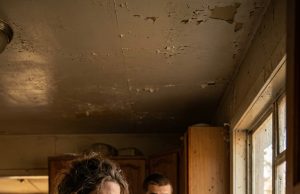
That morning, Leticia knocked on Doña Elena’s bedroom door. A frail voice answered. Inside, the older woman looked pale, exhausted, eyes ringed with darkness.
“My dear… something I ate didn’t sit right. My head is heavy. My stomach feels like stone.”
Leticia adjusted her pillows, fear tightening her chest. This wasn’t new. For weeks, Doña Elena had suffered dizziness, nausea, confusion. Doctors blamed age, stress, vitamins—nothing concrete. Nothing explained why, after certain afternoons, she would awaken as if her body had been quietly shut down.
Leticia wasn’t trained in medicine, but life had sharpened her instincts. And one pattern repeated relentlessly: Doña Elena always worsened after drinking the tea Sofía prepared—served with politeness, reassurance, and that unsettling smile.
At first, Leticia dismissed the thought. Who was she to suspect the employer? But intuition born from years of watching doesn’t remain silent for long.
In the hallway, she nearly collided with Sofía.
“How is she?” Sofía asked casually.
“She’s sick again. Nauseous all night.”
“It’s her age,” Sofía replied impatiently. “I’ll make her tea later. Routine is important.”
For a split second, Leticia caught something in Sofía’s eyes—satisfaction, subtle but unmistakable. Her stomach turned. Routine, she realized, could be a weapon.
Ricardo was away in Cancún. Without him, the mansion felt emptier, colder. Leticia stayed close to Doña Elena all day, helping her walk, bringing soup, changing linens. The woman improved slightly, even joked—but fragility lingered.
At five o’clock, Sofía went to the kitchen. Leticia washed dishes nearby. Everything looked normal—until Sofía opened a forgotten drawer beneath the oven and removed a small, clear, unlabeled bottle. Leticia saw just enough: a few drops into the tea, a quick stir, the bottle returned. Her heart pounded.
The tray went upstairs. Sofía left for the gym.
Leticia stood frozen, hands wet, throat dry. This wasn’t imagination anymore. This was deliberate.
She rushed to Doña Elena’s room.
“Please—don’t drink that.”
“It’s too hot,” Leticia improvised. “I’ll bring another.”
She poured the tea down the toilet, scrubbed the cup obsessively, then returned to the kitchen and opened the drawer. The bottle felt heavier than glass—it carried risk, truth, and a life.
Ricardo returned the next day. Leticia waited.
“I need to speak to you. Privately.”
Later, when Sofía left for Pilates, Leticia whispered the danger to Doña Elena. Together, they set a plan.
That night, Leticia called her nephew Andrés, a security technician. They installed a hidden camera among the spice jars.
The following afternoon, Sofía repeated the act—captured clearly on video.
That evening, Leticia showed Ricardo.
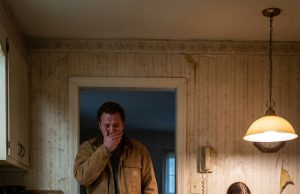
The evidence shattered him.
The lab confirmed it days later: arsenic. Slow. Measured. Lethal.
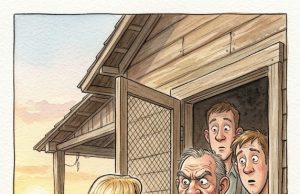
Sofía was confronted. She denied nothing in the end.
“I saw the insurance,” she said coldly. “Two million.”
Ricardo called the police.
Doña Elena entered the room, calm but resolute.
“I lived without luxury and kept my dignity. You had everything—and chose cruelty.”
Sofía was taken away.
That night, Leticia brewed real tea. Ricardo begged his mother’s forgiveness. Then he turned to Leticia.
“You saved her. From now on, you’re family.”
Leticia cried—not for money, but for being seen.
In time, justice followed. Healing followed. And from that pain, a foundation was born—to protect those who are invisible.
Because sometimes the bravest people enter through service doors.
And sometimes, they are the only ones who dare to look.