When my grandfather di:ed, he left me a sum of money.
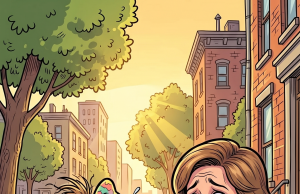
Almost immediately, my parents suggested it should go into a “family fund” to help with household bills and my brother’s college costs. They insisted it was the sensible, mature choice and when I hesitated, their disappointment felt like a weight on my chest. I’d always been the accommodating one, the peacemaker, the child who never wanted to cause trouble. But something about this inheritance felt different, almost personal… as if it carried a purpose only he and I would understand. Feeling overwhelmed, I stepped back from the argument.
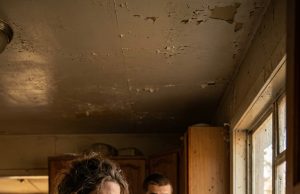
Hours later, my aunt told me she had something for me: a letter my grandfather had written before he passed. I couldn’t bring myself to open it right away. I wasn’t prepared for what I might find inside—advice, instructions, expectations. When I finally unfolded the paper, though, it was as if he were sitting right beside me, speaking straight to my heart.
In his letter, he wrote about how he had watched me grow—how often he’d seen me step aside so others could shine, how quickly I apologized for things that weren’t my fault, how consistently I quieted my own needs to avoid burdening anyone. He reminded me that kindness doesn’t mean disappearing, and generosity doesn’t require giving up parts of myself. He urged me not to feel guilty for accepting a gift meant specifically for me. This wasn’t about obligation, fairness, or duty. It was his investment in a future he believed I deserved.
“Use this to build something of your own,” he wrote.

“Not because you owe anyone anything, but because you are capable—and I want you to walk your own path with confidence.”
He didn’t criticize my parents or cast blame. Instead, he gently reflected back to me the person he saw—the person he hoped I would allow myself to become.
Reading his letter helped me understand why the argument had felt so heavy. My parents weren’t trying to hurt me. They were overwhelmed, stretched thin, and trying to do what they thought was best for the household. They saw the inheritance as a solution. But my grandfather saw it as an opportunity—not for the family, but for me. And if I handed it over, I would be repeating the same old pattern: sacrificing my needs to fix problems that weren’t mine to solve.
So I went back to my parents—not angry, but grounded.
I explained what Grandpa’s letter meant, what it asked of me, and why I felt I needed to honor his wishes. We didn’t resolve everything immediately, but the tension dissolved. We stopped defending and started listening.
Eventually, I used the inheritance exactly as he hoped I would: on a long-held dream I’d never felt brave enough to pursue. I enrolled in a certification program and began shaping a future that finally reflected my choices, not just my obligations. Over time, my parents understood.
In the end, it wasn’t the money that changed me—it was his faith in who I could become. His letter taught me that boundaries aren’t selfish, opportunities aren’t accidents, and sometimes the greatest gift is permission to choose yourself. And that, more than anything, was the legacy he wanted to leave me.